How an Eye Doctor can Differentiate Between Allergy Symptoms and Other Conditions

Eye irritation can have many causes, which is why an eye doctor looks beyond redness and itching before recommending treatment. Allergies often cause recognizable symptoms, but dry eye, infections, and other conditions can create similar discomfort. A careful eye examination helps identify the source of the problem and determine what type of care may provide relief.
How an eye doctor evaluates allergy symptoms
Eye allergies develop when the immune system reacts to substances such as pollen, dust, pet dander, or mold. Common symptoms include itching, redness, watering, burning, and swollen eyelids. Symptoms often affect both eyes and may occur alongside sneezing or a runny nose.
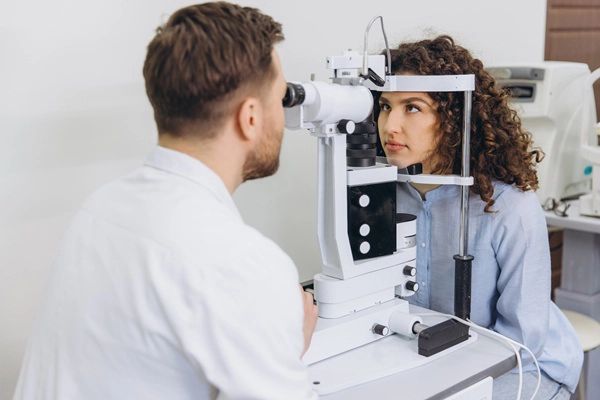
An eye doctor typically asks when symptoms started, whether they come and go, and whether certain environments worsen them. Seasonal patterns or symptoms that appear after exposure to a known allergen can provide useful clues. The doctor may also examine the eyelids, tear film, conjunctiva, and other eye structures for signs commonly associated with allergic inflammation.
Distinguishing allergies from dry eye
Dry eye can cause burning, redness, watering, and a gritty sensation that resembles allergy-related irritation. However, itching tends to occur more prominently with allergies. Dry eye symptoms may also worsen after extended screen use, exposure to wind, or time in dry indoor environments.
An eye doctor can evaluate tear production and tear quality while examining the eye's surface. This assessment helps determine whether inadequate lubrication contributes to the symptoms. Some patients can experience both allergies and dry eye at the same time, so identifying each condition can support a more effective care plan.
Recognizing signs of an eye infection
Viral and bacterial infections can also cause redness, tearing, and discomfort. Unlike many allergies, infections may produce thicker discharge, crusting around the eyelashes, or symptoms that begin in one eye before spreading to the other. Some infections can also cause greater sensitivity or irritation than typical seasonal allergies.
Because several conditions share similar symptoms, guessing based on appearance alone can lead to inappropriate treatment. For example, allergy medications may not treat an infection. A professional examination allows the doctor to identify concerning signs and recommend appropriate next steps.
Looking for other possible causes
Contact lens irritation, eyelid inflammation, foreign material, and reactions to cosmetics or skin care products can also resemble allergies. An eye doctor considers these possibilities by reviewing habits, recent exposures, medication use, and changes in eye care products. Examining the cornea and surrounding tissues can reveal irritation that may not be obvious without specialized equipment.
Certain symptoms may require more immediate attention. Significant eye pain, sudden vision changes, severe light sensitivity, or an eye injury may point to something beyond routine allergies. Prompt evaluation can help protect vision and address the underlying cause.
Find the right relief for irritated eyes
Similar symptoms do not always have the same cause, making a professional eye examination valuable when irritation persists or keeps returning. Identifying whether allergies, dry eye, infection, or another condition is causing the problem lets treatment focus on the true source. Call our office for more information or to schedule an eye examination.
Request an appointment here: https://brighteyesny.com or call Bright Eyes Optometry at (914) 730-9574 for an appointment in our New Rochelle office.
Check out what others are saying about our services on Yelp: Eye Doctor in New Rochelle, NY.
Recent Posts
Eye exams can detect vision changes and maintain eye health. However, seasonal allergies can sometimes complicate the process. Redness, itching, tearing, and swelling, among other allergy symptoms, can easily skew results. By understanding the potential impact of seasonal allergies on eye exams, patients can take steps to ensure a more comfortable and effective visit with…
Eyeglasses help the eyes focus light more clearly, allowing patients to see nearby and distant objects with clarity. When you get an eye exam, the optometrist creates a prescription while measuring how the eyes bend light. Using that prescription, an optical lab creates a custom pair of eyeglasses with unique lenses that match each eye.…
Dry eye treatment can help relieve burning, stinging, redness, blurry vision, and irritation. While dry eye is common, that does not mean patients have to tolerate the discomfort of it. Symptoms may result from poor tear quality, insufficient tear production, eyelid inflammation, screen use, contact lens wear, medications, or environmental triggers. An optometrist can identify…
Orthokeratology, or ortho-k, is a non-surgical vision correction that helps patients see clearly during the day without glasses or contact lenses. Ortho-k contact lenses gently reshape the cornea while the patient sleeps. In the morning, you can take them out; there is no need for prescription glasses or daytime contact lenses. Ortho-k is an effective,…