How an Ophthalmologist Treats Eye Damage and Inflammation
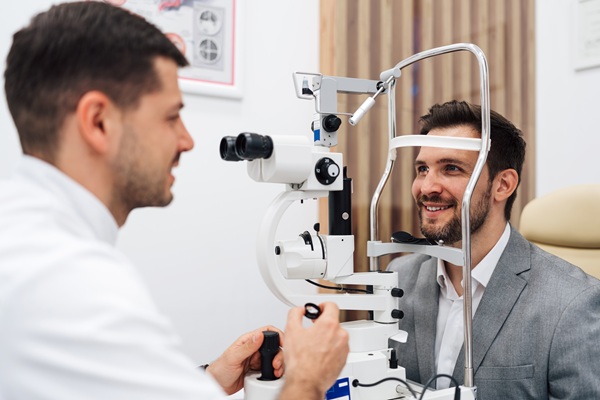
An ophthalmologist can diagnose and treat eye damage or inflammation that needs medical or surgical care beyond a routine eye exam. Some problems start with redness, pain, blurred vision, or sensitivity to light, while others follow an injury or infection. An optometrist may identify the problem first and refer the patient to an ophthalmologist when the condition needs more advanced treatment. Getting the right level of care early can help protect vision and prevent the problem from becoming harder to manage, which is why it is best to see an optometrist who is also an ophthalmologist.
When eye inflammation needs more than routine eye care
Inflammation can affect different parts of the eye, and the cause is not always obvious from the symptoms alone. Redness may come from something minor, but pain, light sensitivity, sudden blurry vision, or swelling can point to a more serious problem.
An optometrist can examine the eye and determine whether the patient needs additional medical care. But when eye inflammation affects deeper structures, it starts to fall under the scope of an ophthalmologist. For example, conditions such as uveitis, keratitis, or severe infections may require prescription medication and close monitoring.
Finding the cause comes first
Before choosing treatment, the eye doctor needs to understand what is causing the problem. An ophthalmologist may perform a detailed eye examination and use specialized imaging or testing to look for damage inside the eye. They may also ask about recent injuries, infections, medications, or other health conditions.
Inflammation does not always begin in the eye itself. Certain autoimmune conditions or infections elsewhere in the body can affect eye health. In those cases, the ophthalmologist may coordinate with another healthcare provider while treating the eye symptoms.
Treating inflammation with medication
Many inflammatory eye conditions respond to medication. Depending on the cause, an ophthalmologist may prescribe eye drops, oral medication, or another treatment to reduce inflammation and address the underlying problem. The eye doctor may even use antibiotics or antiviral medications when an infection contributes to the symptoms.
How an ophthalmologist handles eye injuries
Eye injuries can happen after a fall, sports accident, workplace injury, or contact with a sharp object. Here is how an ophthalmologist may address:
Corneal damage
The cornea is the clear front surface of the eye, so it is especially vulnerable to scratches, infection, and contact lens irritation. An ophthalmologist may prescribe medication, protect the surface while it heals, or treat an infection that has reached the cornea. Severe scarring or damage may require more advanced treatment.
Retinal problems
Retinal problems can cause sudden flashes, new floaters, or a shadow across part of the vision. These symptoms need prompt attention because a retinal tear or detachment can threaten eyesight. Depending on the problem, the ophthalmologist may use laser treatment or surgery to repair the retina.
Know when symptoms need urgent attention
Some eye problems should not wait for a routine appointment. Patients should seek prompt eye care for symptoms such as:
- Sudden loss or major changes in vision
- Severe eye pain
- New flashes or a sudden increase in floaters
- Chemical exposure to the eye
- A penetrating eye injury
- Significant swelling or redness with vision changes
Early evaluation gives the eye care team more time to identify the cause and begin treatment.
Get the right care for eye damage and inflammation
Eye redness, pain, injury, or sudden vision changes deserve attention, especially when symptoms do not improve quickly. Because Bright Eyes Optometry provides both optometry and ophthalmology care, patients can receive a thorough evaluation and move into more advanced treatment when needed. Contact our office today for more information.
Request an appointment here: https://brighteyesny.com or call Bright Eyes Optometry at (914) 730-9574 for an appointment in our New Rochelle office.
Check out what others are saying about our services on Yelp: Ophthalmologist in New Rochelle, NY.
Recent Posts
Eye irritation can have many causes, which is why an eye doctor looks beyond redness and itching before recommending treatment. Allergies often cause recognizable symptoms, but dry eye, infections, and other conditions can create similar discomfort. A careful eye examination helps identify the source of the problem and determine what type of care may provide…
Eye exams can detect vision changes and maintain eye health. However, seasonal allergies can sometimes complicate the process. Redness, itching, tearing, and swelling, among other allergy symptoms, can easily skew results. By understanding the potential impact of seasonal allergies on eye exams, patients can take steps to ensure a more comfortable and effective visit with…
Eyeglasses help the eyes focus light more clearly, allowing patients to see nearby and distant objects with clarity. When you get an eye exam, the optometrist creates a prescription while measuring how the eyes bend light. Using that prescription, an optical lab creates a custom pair of eyeglasses with unique lenses that match each eye.…
Dry eye treatment can help relieve burning, stinging, redness, blurry vision, and irritation. While dry eye is common, that does not mean patients have to tolerate the discomfort of it. Symptoms may result from poor tear quality, insufficient tear production, eyelid inflammation, screen use, contact lens wear, medications, or environmental triggers. An optometrist can identify…