Keratoconus Treatment: When to See an Eye Doctor
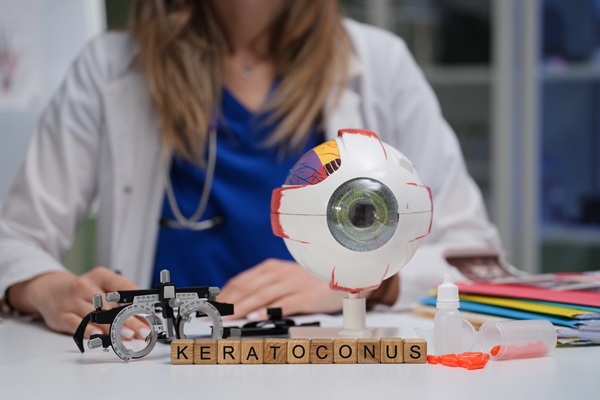
Keratoconus treatment delivers the best results when symptoms emerge early and an optometrist confirms the diagnosis. Keratoconus thins the cornea and alters its curve, causing blur, ghosting, and light sensitivity. Early care slows progression and restores functional vision. An optometrist uses specialized imaging and targeted therapies to stabilize the cornea and improve clarity. Knowing when to schedule a visit, what to expect during evaluation, and which options fit each stage helps patients act with confidence.
When to schedule an exam
Keratoconus often starts subtly, so attention to small changes matters. Book an appointment if any of the following signs appear:
- Frequent eyeglass or contact lens prescription changes
- Worsening night glare, halos, or double images
- Persistent eye rubbing from allergies or irritation
- Increasing astigmatism or blurred vision that no longer sharpens with lenses
- Family history of keratoconus or prior diagnosis in one eye
Do not delay if symptoms escalate during adolescence or early adulthood, when corneas tend to change quickly. Early referral protects vision and preserves more options. Parents should watch for frequent squinting in children, and adults should track prescription shifts after eye rubbing or intense allergy seasons, because early patterns foreshadow progression and prompt faster, vision-preserving care.
How an optometrist evaluates keratoconus
An optometrist maps corneal shape with topography and tomography, measures thickness with pachymetry, and checks tear quality. A careful refraction identifies irregular astigmatism, while slit-lamp examination reviews corneal health and contact lens fit. These tests create a stage-based profile that guides timely decisions and tracks progression. Many clinics also track Kmax, posterior elevation, and the Belin ABCD parameters to detect early progression and distinguish keratoconus from other ectasias.
Current treatment options
Keratoconus Treatment focuses on stabilizing the cornea and sharpening vision. For progressive disease, surgeons often perform collagen cross-linking to strengthen corneal fibers and slow further steepening. Optometrists fit rigid gas-permeable or scleral contact lenses to create a smooth optical surface and improve clarity. Some patients benefit from hybrid or piggyback lens designs that enhance comfort and centration. In select cases, specialists place intracorneal ring segments or recommend corneal transplantation when other measures no longer restore safe function.
Daily habits and follow-up
Keratoconus treatment also includes lifestyle steps. Control allergies, break eye-rubbing habits, use preservative-free lubricants, and follow lens hygiene precisely. Address atopy with targeted therapy to reduce itch and inflammation. Schedule regular imaging so the care team can detect subtle changes and adjust the plan quickly. Consistent sleep, UV protection, and balanced screen breaks support stable, comfortable vision.
When to seek urgent care
Sudden pain, a white corneal spot, or a rapid drop in vision may signal corneal hydrops. Seek a same-day evaluation so the team can relieve symptoms, manage swelling, and protect corneal integrity.
The bottom line
With early recognition and coordinated care, Keratoconus treatment preserves independence and visual comfort. Optometrists personalize therapy, monitor progress, and escalate intervention when metrics show change. Prompt questions and regular visits build steady control at every stage. For more information or to schedule an appointment, call our office at (914) 730-9574.
To schedule a consultation, please request an appointment on our website at https://brighteyesny.com or call Bright Eyes Optometry at (914) 730-9574 to arrange an appointment at our New Rochelle office.
Check out what others are saying about our dental services on Yelp: Keratoconus Treatment in New Rochelle, NY.
Recent Posts
Eye irritation can have many causes, which is why an eye doctor looks beyond redness and itching before recommending treatment. Allergies often cause recognizable symptoms, but dry eye, infections, and other conditions can create similar discomfort. A careful eye examination helps identify the source of the problem and determine what type of care may provide…
Eye exams can detect vision changes and maintain eye health. However, seasonal allergies can sometimes complicate the process. Redness, itching, tearing, and swelling, among other allergy symptoms, can easily skew results. By understanding the potential impact of seasonal allergies on eye exams, patients can take steps to ensure a more comfortable and effective visit with…
Eyeglasses help the eyes focus light more clearly, allowing patients to see nearby and distant objects with clarity. When you get an eye exam, the optometrist creates a prescription while measuring how the eyes bend light. Using that prescription, an optical lab creates a custom pair of eyeglasses with unique lenses that match each eye.…
Dry eye treatment can help relieve burning, stinging, redness, blurry vision, and irritation. While dry eye is common, that does not mean patients have to tolerate the discomfort of it. Symptoms may result from poor tear quality, insufficient tear production, eyelid inflammation, screen use, contact lens wear, medications, or environmental triggers. An optometrist can identify…